



Find your self-determined tomorrow in 7 days.

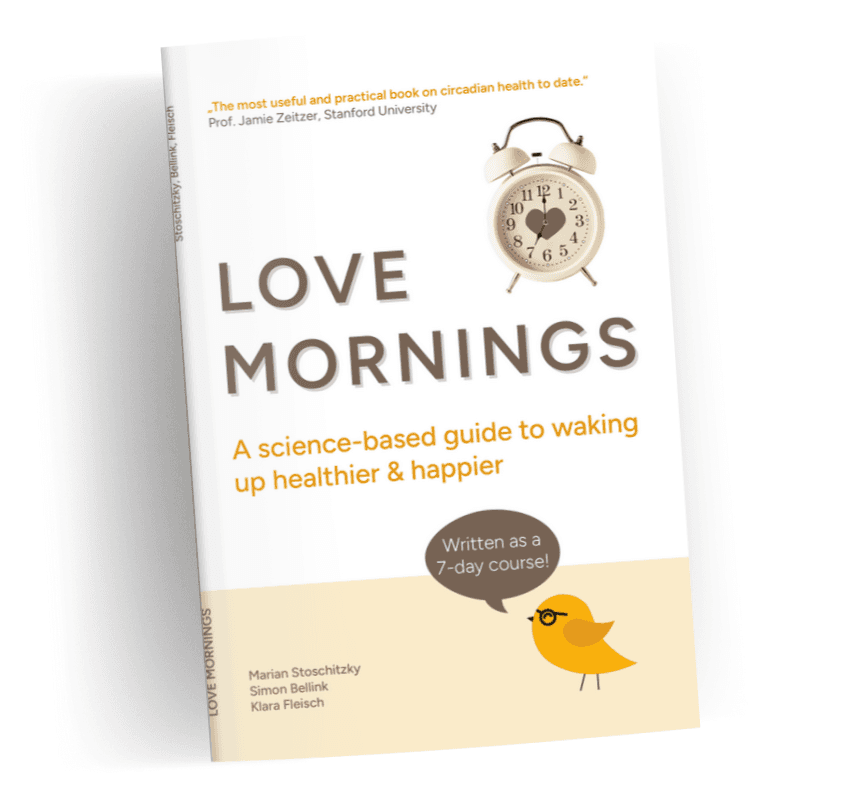
Love Mornings: The scientific way to wake up healthier and happier. Find structure and more energy for a fulfilling start to your day.

Find your self-determined tomorrow in 7 days.

Love Mornings: The scientific way to wake up healthier and happier. Find structure and more energy for a fulfilling start to your day.

known from:

Can you become a morning person if you are currently a night owl?

Can you learn to start the day full of energy? A look at the science reveals that you have more options than you might think!


Love Mornings provides a compact guide to understanding as well as a practical guide for a healthy and pleasant awakening. Scientifically based, the book leads readers through the mechanisms of sleep regulation, the circadian rhythm, and also addresses psychological aspects that are crucial for a healthy sleep-wake rhythm. Establish the most effective measures in your daily routine in 7 days. You will find that you not only boost your energy in the morning but also positively impact your mood throughout the day and strengthen your health sustainably.


Selected Reviews

"A very well written book that gives the reader a scientifically based guide for better mornings."


AMAZON CUSTOMER

"I noticed a big difference within the first seven days. Not only has my energy level improved, but also my mood."


AMAZON CUSTOMER

About the authors

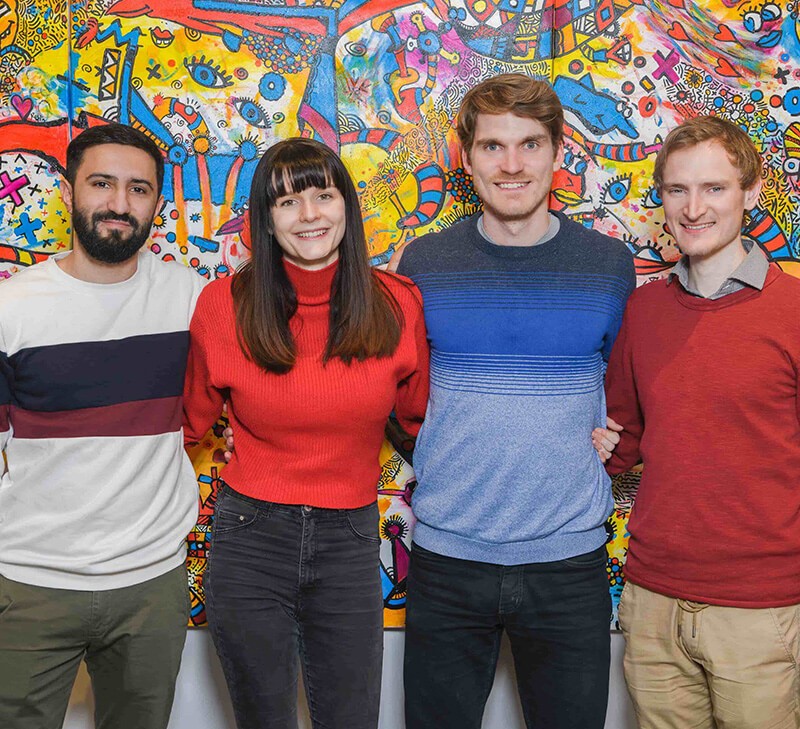
We are Saeed, Klara, Marian, and Simon, founders of the Vienna-based startup "Zeitgeber." Driven by the desire to solve our own waking problems, we began immersing ourselves in the science, testing gadgets, talking to scientists, and even developing our own devices that aim to help people wake up healthier.

What we have learned: It is possible! Much more research has been conducted on this scientifically than most people realize. With LOVE MORNINGS, we are making the framework that works for us and others generally accessible.

We are scientifically advised by leading researchers in sleep and psychology and are also supported by the innovation center i²c of TU Wien.
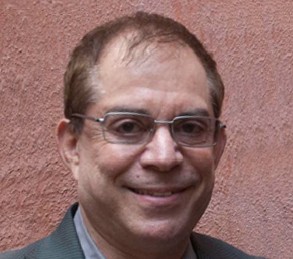
"This innovative and captivating data-driven guide, which will help you take control of your sleep-wake cycle, will also enhance your productivity."


Michael Terman, PhD
President, Center for Environmental Therapeutics

Are you ready to find out what tomorrow can feel like for you?

Frequently Asked Questions (FAQ)

Can you really change from a night owl to a morning lark? I thought that was genetically determined?

Good question! Yes, there is a genetic predisposition, and different people have different rhythms under the same circumstances. However, what you can change is your life circumstances. Life circumstances = lifestyle and environmental influences. These factors are more important than you might think. We invite you to find out for yourself!

Will I remain a permanent early riser once I am there?

Your body will live the rhythm that corresponds to the stimuli it receives. Just like your fitness level, your early riser level is one that needs to be nurtured and maintained sustainably. Therefore, it is of great value to establish the desired routines as habits. As such, they will gradually become more natural over time. Our guide will help you with that.

Do these measures work for everyone? I have a delayed sleep phase disorder and so far nothing has helped me.

According to the data we are aware of, the vast majority of people, even "night owls," can significantly influence their rhythm, as studies have shown. If your body has a strong tendency towards an evening rhythm, we consider it especially important to understand the science, the positive factors, and the hindering influences that affect your rhythm. Nevertheless, there may be cases of delayed sleep phase disorder or Non-24, where our advice may not be as effective as it is for others. Our content is not intended to trivialize the suffering caused by circadian rhythm disorders or to replace the advice of a medical professional if you are suffering from circadian rhythm disorders. If you follow the guide and find that it does not benefit you, you can return the book within 30 days for a full refund.

Are you saying that it's worse to be a night owl than a morning person?

There is no inherent good or bad when it comes to rhythms. If you are a healthy and happy night owl, then go for it. Statistically, night owls are more prone to various illnesses, including depression. It is not entirely clear why this is the case: Some experts suspect that a mismatch between rhythm and work-imposed schedules is to blame, while others believe that people may be more susceptible to impulsive and unhealthy behaviors at night. What we advocate for is "circadian health": The measures presented in our course (healthy lighting, sleep hygiene, exercise, etc.) have been shown to promote health and well-being just as much as they favor an early rhythm. On the other hand, it is documented that many socially widespread behaviors (being on smartphones late into the night, evening artificial light) not only delay the rhythm but can also impact your health. In our book, you will learn what circadian health is and how it relates to overall health. Only when you know the bigger picture can you make informed decisions. What those decisions are is entirely up to you!

Why can't society simply make work and school hours more accommodating for night owls?

We very much welcome the idea of a society that acknowledges the differences in sleep-wake rhythms between individuals in their schedules. Almost all experts agree that classes in high schools should start later to better accommodate the late-running rhythms of teenagers. There are initiatives moving in this direction, and we support them. Nevertheless, it is still a long way to go, and many night owls also simply wish to be more of a morning person. We see our approach as a complement to systemic approaches, as we equip individuals with the tools to make the most of their personal situation. Since the measures presented also have a direct health benefit, we believe it is worth knowing about them in any situation.

Can you really change from a night owl to a morning lark? I thought that was genetically determined?

Good question! Yes, there is a genetic predisposition, and different people have different rhythms under the same circumstances. However, what you can change is your life circumstances. Life circumstances = lifestyle and environmental influences. These factors are more important than you might think. We invite you to find out for yourself!

Will I remain a permanent early riser once I am there?

Your body will live the rhythm that corresponds to the stimuli it receives. Just like your fitness level, your early riser level is one that needs to be nurtured and maintained sustainably. Therefore, it is of great value to establish the desired routines as habits. As such, they will gradually become more natural over time. Our guide will help you with that.

Do these measures work for everyone? I have a delayed sleep phase disorder and so far nothing has helped me.

According to the data we are aware of, the vast majority of people, even "night owls," can significantly influence their rhythm, as studies have shown. If your body has a strong tendency towards an evening rhythm, we consider it especially important to understand the science, the positive factors, and the hindering influences that affect your rhythm. Nevertheless, there may be cases of delayed sleep phase disorder or Non-24, where our advice may not be as effective as it is for others. Our content is not intended to trivialize the suffering caused by circadian rhythm disorders or to replace the advice of a medical professional if you are suffering from circadian rhythm disorders. If you follow the guide and find that it does not benefit you, you can return the book within 30 days for a full refund.

Are you saying that it's worse to be a night owl than a morning person?

There is no inherent good or bad when it comes to rhythms. If you are a healthy and happy night owl, then go for it. Statistically, night owls are more prone to various illnesses, including depression. It is not entirely clear why this is the case: Some experts suspect that a mismatch between rhythm and work-imposed schedules is to blame, while others believe that people may be more susceptible to impulsive and unhealthy behaviors at night. What we advocate for is "circadian health": The measures presented in our course (healthy lighting, sleep hygiene, exercise, etc.) have been shown to promote health and well-being just as much as they favor an early rhythm. On the other hand, it is documented that many socially widespread behaviors (being on smartphones late into the night, evening artificial light) not only delay the rhythm but can also impact your health. In our book, you will learn what circadian health is and how it relates to overall health. Only when you know the bigger picture can you make informed decisions. What those decisions are is entirely up to you!

Why can't society simply make work and school hours more accommodating for night owls?

We very much welcome the idea of a society that acknowledges the differences in sleep-wake rhythms between individuals in their schedules. Almost all experts agree that classes in high schools should start later to better accommodate the late-running rhythms of teenagers. There are initiatives moving in this direction, and we support them. Nevertheless, it is still a long way to go, and many night owls also simply wish to be more of a morning person. We see our approach as a complement to systemic approaches, as we equip individuals with the tools to make the most of their personal situation. Since the measures presented also have a direct health benefit, we believe it is worth knowing about them in any situation.

Can you really change from a night owl to a morning lark? I thought that was genetically determined?

Good question! Yes, there is a genetic predisposition, and different people have different rhythms under the same circumstances. However, what you can change is your life circumstances. Life circumstances = lifestyle and environmental influences. These factors are more important than you might think. We invite you to find out for yourself!

Will I remain a permanent early riser once I am there?

Your body will live the rhythm that corresponds to the stimuli it receives. Just like your fitness level, your early riser level is one that needs to be nurtured and maintained sustainably. Therefore, it is of great value to establish the desired routines as habits. As such, they will gradually become more natural over time. Our guide will help you with that.

Do these measures work for everyone? I have a delayed sleep phase disorder and so far nothing has helped me.

According to the data we are aware of, the vast majority of people, even "night owls," can significantly influence their rhythm, as studies have shown. If your body has a strong tendency towards an evening rhythm, we consider it especially important to understand the science, the positive factors, and the hindering influences that affect your rhythm. Nevertheless, there may be cases of delayed sleep phase disorder or Non-24, where our advice may not be as effective as it is for others. Our content is not intended to trivialize the suffering caused by circadian rhythm disorders or to replace the advice of a medical professional if you are suffering from circadian rhythm disorders. If you follow the guide and find that it does not benefit you, you can return the book within 30 days for a full refund.

Are you saying that it's worse to be a night owl than a morning person?

There is no inherent good or bad when it comes to rhythms. If you are a healthy and happy night owl, then go for it. Statistically, night owls are more prone to various illnesses, including depression. It is not entirely clear why this is the case: Some experts suspect that a mismatch between rhythm and work-imposed schedules is to blame, while others believe that people may be more susceptible to impulsive and unhealthy behaviors at night. What we advocate for is "circadian health": The measures presented in our course (healthy lighting, sleep hygiene, exercise, etc.) have been shown to promote health and well-being just as much as they favor an early rhythm. On the other hand, it is documented that many socially widespread behaviors (being on smartphones late into the night, evening artificial light) not only delay the rhythm but can also impact your health. In our book, you will learn what circadian health is and how it relates to overall health. Only when you know the bigger picture can you make informed decisions. What those decisions are is entirely up to you!

Why can't society simply make work and school hours more accommodating for night owls?

We very much welcome the idea of a society that acknowledges the differences in sleep-wake rhythms between individuals in their schedules. Almost all experts agree that classes in high schools should start later to better accommodate the late-running rhythms of teenagers. There are initiatives moving in this direction, and we support them. Nevertheless, it is still a long way to go, and many night owls also simply wish to be more of a morning person. We see our approach as a complement to systemic approaches, as we equip individuals with the tools to make the most of their personal situation. Since the measures presented also have a direct health benefit, we believe it is worth knowing about them in any situation.

Any questions?

Write us an email! We look forward to getting in touch with you.